 Reviews

 Proudly American

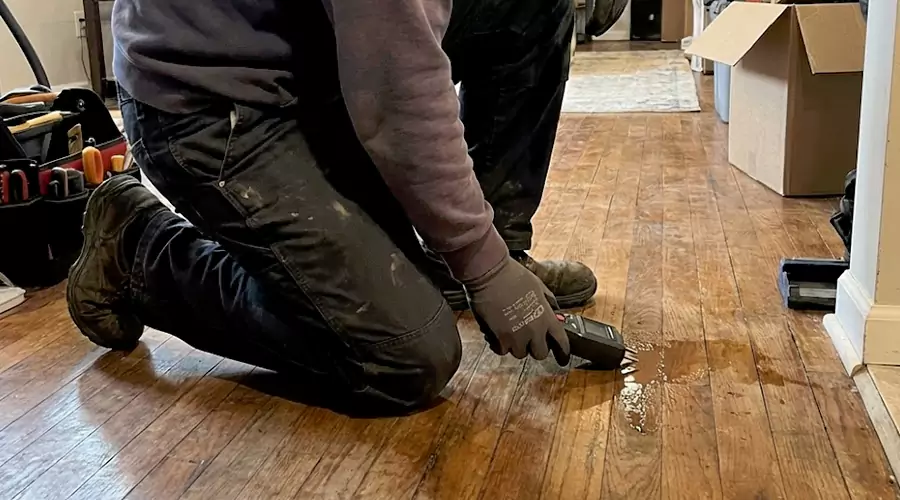
What Happens When Water Gets Under Your Flooring?
Water under flooring can cause serious damage, even when the surface looks dry. After a leak, flood, appliance overflow, toilet overflow, or stormwater issue, water can move beneath hardwood, laminate, vinyl, tile, carpet, and subflooring. Once moisture gets trapped under the floor, it can be difficult to see and even harder to dry without the right equipment.
Many homeowners clean the visible water and think the problem is solved. However, flooring often has layers. Water can move below the top layer and stay hidden in padding, adhesive, wood, underlayment, or the subfloor. Over time, this hidden moisture can lead to mold, musty odors, warped floors, loose tiles, soft spots, and expensive repairs.
Understanding what happens when water gets under your flooring can help you act quickly and protect your home from long term damage.
Why Water Under Flooring Is a Serious Problem
Flooring is not always waterproof from the bottom. Even materials that resist surface spills can trap moisture underneath. Water can enter through seams, edges, cracks, grout lines, baseboards, and gaps around fixtures.
Once water gets below the surface, it may not evaporate quickly. Poor airflow under flooring can keep moisture trapped for days or longer. This can damage both the visible flooring and the layers underneath.
Hidden floor moisture is serious because it can lead to:
- Mold growth
- Warped or buckled flooring
- Musty odors
- Loose tiles or planks
- Soft spots in the floor
- Damaged underlayment
- Subfloor damage
- Wood rot
- Staining around baseboards
- Higher repair costs
The longer the water stays, the more damage it can cause.
How Water Gets Under Flooring
Water can reach the underside of flooring in many ways. Sometimes it happens suddenly, and sometimes it happens slowly over time.
Common causes include:
- Burst pipes
- Leaking dishwashers
- Washing machine overflows
- Water heater leaks
- Toilet overflows
- Shower or bathtub leaks
- Roof leaks that travel down walls
- Flooded basements
- Stormwater entering through doors or windows
- Refrigerator water line leaks
Even a small leak can spread under flooring if it is not caught quickly.
What Happens to Hardwood Floors?
Hardwood flooring can absorb moisture and change shape. When water reaches wood, the boards may swell, cup, crown, buckle, or separate. Cupping happens when the edges of the boards rise higher than the center. Crowning happens when the center rises higher than the edges.
Hardwood floor damage may appear as:
- Raised boards
- Gaps between planks
- Dark stains
- Uneven surfaces
- Soft or weak areas
- Squeaking or movement
- Musty smells
If hardwood is dried quickly and correctly, some floors may be saved. If water sits too long, the boards or subfloor may need replacement.
What Happens to Laminate Flooring?
Laminate flooring is especially vulnerable to water because many laminate products have a fiberboard core. When water reaches the core, the material may swell and lose its shape.
Signs of laminate water damage include bubbling, lifting edges, warped planks, soft spots, and separation at the seams. Once laminate swells badly, it usually cannot return to its original shape.
Fast cleanup is important, but damaged laminate often needs replacement if water reached the core or underlayment.
What Happens to Vinyl Flooring?
Vinyl flooring can handle some surface moisture, but water can still get underneath through seams, edges, or damaged areas. Once water is trapped under vinyl, it can affect the adhesive, underlayment, and subfloor.
You may notice lifting corners, bubbling, loose sections, discoloration, or a damp smell. Sheet vinyl may trap water below a large surface area, making hidden moisture harder to detect.
Even if vinyl itself is not ruined, the material underneath may still need drying or repair.
What Happens to Tile Floors?
Tile may seem waterproof, but water can still move through grout cracks, damaged caulking, loose tiles, or edges near walls and fixtures. If water gets below tile, it can affect the mortar bed, underlayment, or subfloor.
Signs of water under tile include loose tiles, hollow sounds when tapped, cracked grout, musty odors, or moisture near baseboards. Bathroom and kitchen tile floors are common places for this problem.
If water remains under tile, mold may grow in hidden layers, especially when the subfloor or underlayment is wood based.
What Happens to Carpet and Padding?
Carpet may feel dry on top while the padding underneath stays wet. Carpet padding absorbs water quickly and can hold moisture for a long time. This creates a high risk of mold, odor, and bacteria growth, especially if the water is dirty or contaminated.
Wet carpet problems may include:
- Damp smell
- Musty odor
- Staining
- Mold growth
- Loose carpet
- Wet padding
- Damage to the subfloor
In some cases, carpet can be cleaned and dried. Padding often needs replacement if it stays wet or if the water is contaminated.
Why Subfloor Damage Matters
The subfloor is the layer beneath your finished flooring. It supports the floor and helps keep the surface stable. When water reaches the subfloor, the damage can become more serious.
A wet subfloor may swell, soften, rot, or weaken. This can create uneven floors, soft spots, squeaks, and movement underfoot. If the subfloor is damaged badly, replacing only the top flooring will not solve the problem.
A restoration professional may need to test moisture levels in the subfloor before repairs begin.
Signs Water Is Trapped Under Flooring
Hidden moisture under flooring can be easy to miss. Watch for these warning signs after any leak or water event:
- Buckling or lifting floors
- Warped hardwood
- Bubbling laminate or vinyl
- Loose tiles
- Soft spots underfoot
- Musty odors
- Damp carpet smell
- Staining near baseboards
- Mold spots around flooring edges
- Floors that feel uneven
If you notice these signs, do not wait. The damage may continue spreading below the surface.
How Professionals Dry Water Under Flooring
Restoration companies use moisture detection tools and drying equipment to check how far water traveled. They may use moisture meters, thermal imaging cameras, air movers, dehumidifiers, and specialty floor drying systems.
The restoration process may include:
- Inspecting the affected flooring
- Testing moisture levels
- Removing standing water
- Lifting carpet if needed
- Removing wet padding
- Drying the subfloor
- Removing damaged flooring if necessary
- Cleaning and sanitizing affected areas
- Monitoring moisture until dry
The goal is to dry the floor system fully, not just the visible surface.
Should You Remove the Flooring Yourself?
It is usually best to avoid tearing out flooring without inspection unless the area is unsafe or contaminated. Removing materials too quickly can make documentation harder for insurance. It can also spread contamination if the water came from sewage, floodwater, or a drain backup.
Take photos first, stop the water source if possible, and call a restoration company if the water reached walls, floors, padding, or subflooring.
Final Thoughts
When water gets under your flooring, it can damage the visible floor, underlayment, padding, adhesive, and subfloor. It can also lead to mold, odors, soft spots, warping, and costly repairs if the moisture stays trapped.
Homeowners should act quickly after any leak, flood, or overflow. Remove visible water if it is safe, document the damage, and schedule a professional moisture inspection. Proper drying can help save materials, reduce mold risk, and protect the structure of your home.